When it comes to achieving year-round comfort and energy efficiency, more Nova Scotia homeowners are turning to residential heat pump installation. These systems not only provide reliable heating during the province’s long winters but also offer efficient cooling throughout the summer. As trusted HVAC experts in Nova Scotia, we know how important it is for homeowners to understand the installation process and what to expect at every stage.
This guide breaks down the steps involved in installing a heat pump, explains how to prepare your home, and outlines the best post-installation care practices to ensure lasting comfort and performance.
Why Nova Scotia Homeowners Are Choosing Heat Pumps
Heat pumps are gaining popularity across Nova Scotia because they combine comfort, efficiency, and sustainability. Unlike traditional furnaces or baseboard heaters that generate heat, heat pumps transfer it, making them significantly more energy-efficient. Modern ducted systems can handle cold climates with ease, providing steady warmth even when temperatures drop well below freezing.
For homeowners, that means lower heating costs, quieter operation, and a more consistent indoor temperature. When professionally installed, a heat pump can reduce household energy use and help qualify for local rebate programs offered through Efficiency Nova Scotia.
Understanding How Heat Pumps Work
At their core, heat pumps move heat energy from one place to another. In winter, they draw warmth from the outside air and bring it indoors. During summer, the process reverses—extracting heat from your home and pushing it outside, just like an air conditioner.
Ducted systems are ideal for larger homes and provide even distribution through existing or newly installed ductwork. Ductless systems, on the other hand, are better suited for smaller spaces or additions without existing ducts.
Both options, when properly sized and installed by HVAC experts in Nova Scotia, can deliver impressive performance while reducing reliance on fossil fuels.
Step-by-Step Guide to Residential Heat Pump Installation
1. Initial Home Assessment
Before installation begins, technicians perform a detailed home evaluation. This includes inspecting insulation, assessing existing ductwork, measuring square footage, and verifying electrical capacity. The goal is to ensure the new system is properly sized for your home’s unique heating and cooling requirements.
An undersized unit won’t maintain comfort during extreme weather, while an oversized one can cycle too frequently and waste energy. That’s why professional guidance is essential at this stage.
2. Choosing the Right System
Once the assessment is complete, your installer will recommend a system type—ducted or ductless—based on your home’s design and your budget. They’ll also explain efficiency ratings, such as SEER (Seasonal Energy Efficiency Ratio) and HSPF (Heating Seasonal Performance Factor), to help you make an informed decision.
High-efficiency ducted systems are often the best choice for Nova Scotia’s mixed climate, balancing long-term savings with superior comfort.
3. Site Preparation and Installation Day
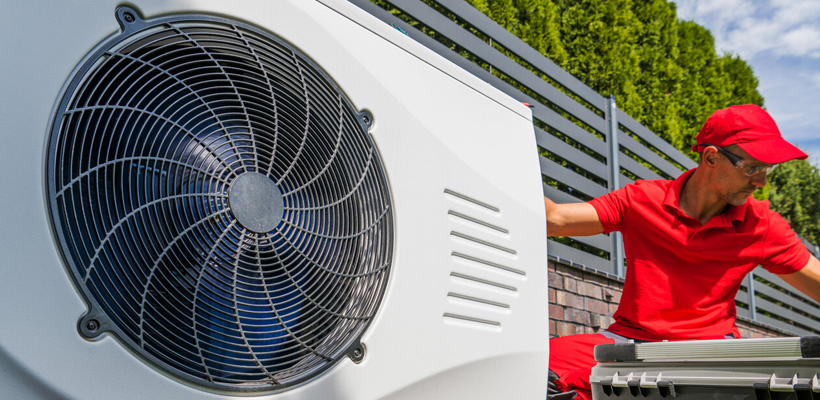
On installation day, the team prepares both the indoor and outdoor units. The outdoor condenser is typically placed on a stable base away from snow buildup or debris. Inside, air handlers or duct connections are mounted and wired.
Certified technicians handle electrical and refrigerant line connections, ensuring compliance with provincial safety codes. The process usually takes one to two days, depending on the home’s size and complexity.
4. Testing and Calibration
After installation, the system is powered on and thoroughly tested. Technicians verify airflow, refrigerant levels, and thermostat accuracy. They also check that the unit is heating and cooling as expected.
Proper calibration ensures the system runs efficiently and maintains balanced temperatures throughout your home.
What to Expect After Installation
1. Performance Testing and Orientation
Once the installation is complete, your technician will review the system with you. They’ll demonstrate how to use the thermostat, adjust settings, and maintain filters. This orientation ensures you’re confident in operating your new system.
They’ll also provide warranty details, service recommendations, and any rebate documentation you may need to submit.
2. Adjusting to a New Heating and Cooling Pattern
Heat pumps operate differently from traditional heating systems. Instead of sudden bursts of hot air, they maintain a steady, comfortable temperature by running more consistently. This may take some adjustment, but most homeowners quickly notice improved comfort and quieter operation.
Essential Post-Installation Care and Maintenance Tips
To keep your heat pump running at peak efficiency, regular maintenance is crucial. Here’s what homeowners should do:
- Clean or replace filters monthly to maintain airflow.
- Schedule annual servicing with qualified HVAC experts in Nova Scotia for performance checks and coil cleaning.
- Keep outdoor units clear of snow, leaves, and debris to prevent airflow restrictions.
- Monitor energy usage—a sudden increase may indicate an issue that needs professional attention.
Routine care not only protects your investment but also extends the system’s lifespan and ensures reliable operation through all seasons.
Common Mistakes Homeowners Make During Installation
Some homeowners attempt to install heat pumps themselves or hire unlicensed contractors. This often leads to problems such as poor system sizing, incorrect wiring, and voided warranties.
Other common mistakes include:
- Skipping pre-installation duct inspections.
- Neglecting to seal ducts or improve insulation.
- Overlooking manufacturer-recommended clearances for outdoor units.
These issues can severely affect performance, so working with certified professionals is always the safest and most cost-effective option.
Why Professional HVAC Installation Matters
A professional heat pump installation guarantees safety, reliability, and long-term savings. Certified technicians follow strict provincial standards for electrical and mechanical work, ensuring your system meets code and warranty requirements.
Professional residential heat pump installation also optimizes airflow, minimizes energy loss, and helps you qualify for rebates and efficiency programs available to Nova Scotia homeowners.
About ACE Refrigeration: Trusted HVAC Experts in Nova Scotia
At ACE Refrigeration, we specialize in residential heat pump installation, air conditioning, and electrical services designed for Nova Scotia homes. Our team of certified HVAC experts ensures every system is installed safely, efficiently, and with complete attention to detail.
We take pride in helping homeowners achieve year-round comfort and lower energy bills through expert guidance and professional service.
Contact us today to learn how we can transform your home’s comfort system with a reliable, energy-efficient heat pump.
